
Posted by RCP on 17th Mar 2026
The Importance of Temperature Monitoring for Vaccines
Vaccines protect communities from serious disease, but they require precise storage conditions to remain effective. Healthcare providers, pharmacies, laboratories, and distribution facilities must control and monitor storage temperatures at every stage. When temperatures move outside approved ranges, vaccines can lose potency and fail to deliver the intended immune response.
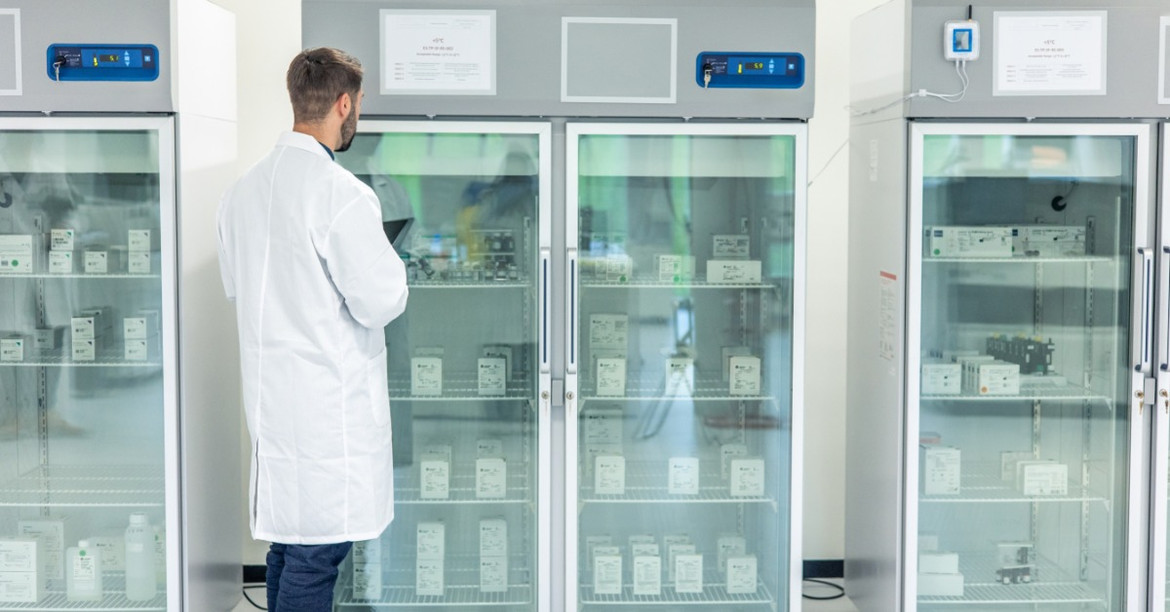
Temperature monitoring plays a central role in maintaining vaccine quality. Facilities must understand the importance of temperature monitoring for vaccines and track storage conditions continuously to confirm that vaccines remain within recommended ranges. Consistent monitoring provides the documentation required to demonstrate proper storage practices while helping staff detect problems quickly.
Preserves Vaccine Potency
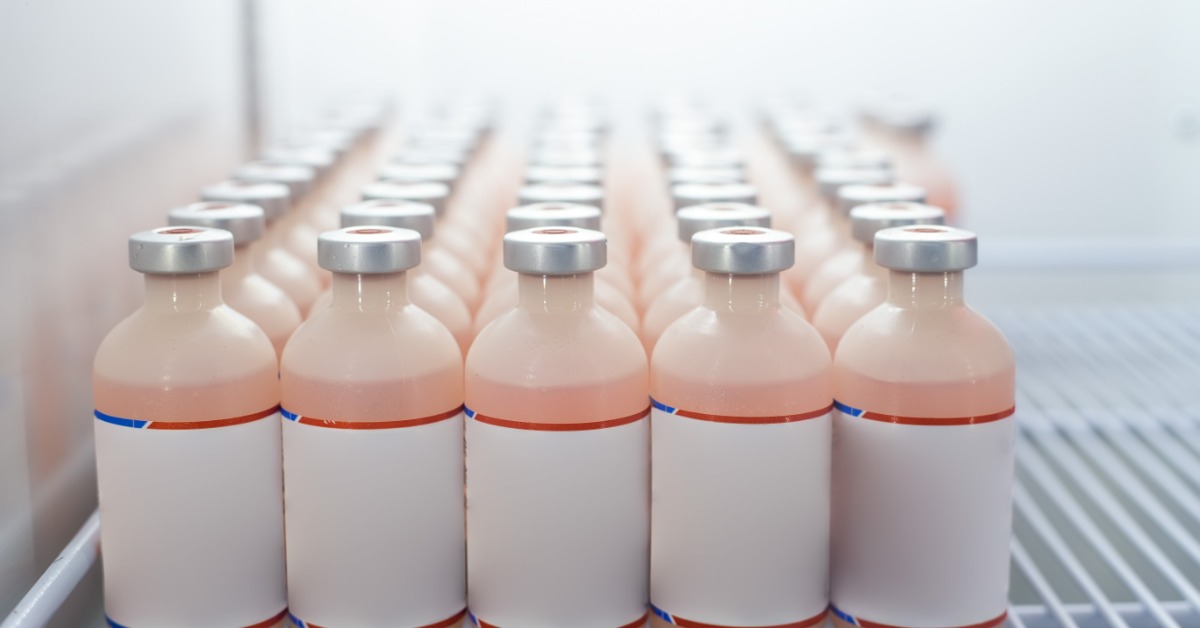
Vaccines contain biological components that react quickly to environmental changes. Manufacturers design vaccines to remain stable within narrow temperature ranges, and even small deviations can compromise product integrity. Refrigerated vaccines commonly require storage between 2 and 8 degrees Celsius, while some products demand frozen or ultra-cold conditions.
Temperature exposure outside approved ranges can damage vaccine ingredients in several ways. Heat can accelerate chemical reactions that degrade proteins or weaken stabilizing compounds. Freezing temperatures can disrupt emulsions or cause separation within the vaccine formulation. These changes may not appear visually, but they can significantly reduce vaccine effectiveness.
Temperature monitoring allows healthcare staff to maintain strict control over storage conditions. Continuous monitoring systems record temperature data throughout the day and night, ensuring that staff can identify changes immediately. By reviewing these records regularly, facilities confirm that vaccines remain stable and ready for safe administration.
Prevents Vaccine Loss
Temperature excursions occur when storage conditions move outside the recommended range for vaccines. These events can result from equipment failure, power outages, or human error during storage and handling.
Continuous monitoring systems allow facilities to detect excursions immediately. When monitoring equipment records temperatures in real time, staff can review readings and identify changes as they occur. This visibility allows personnel to take corrective action before vaccines remain exposed to harmful conditions for extended periods.
For example, monitoring charts may reveal a gradual rise in temperature that indicates a refrigeration problem. Staff can then repair the equipment or transfer vaccines to backup storage before product damage occurs.
Early detection reduces the risk of vaccine loss and prevents costly inventory replacement. Monitoring systems also help staff identify recurring equipment issues that require maintenance or replacement.
Strengthens Cold Chain Management
The vaccine cold chain includes every stage of storage and transportation that occurs between production and administration. Each link in the cold chain must maintain appropriate temperatures to protect vaccine stability. Even brief interruptions in temperature control can compromise product quality.
Continuous temperature monitoring supports cold chain reliability by providing a detailed record of environmental conditions. Monitoring systems track temperatures at scheduled intervals, creating a clear timeline of storage performance. These records allow staff to verify that vaccines remain within safe ranges during handling and storage.
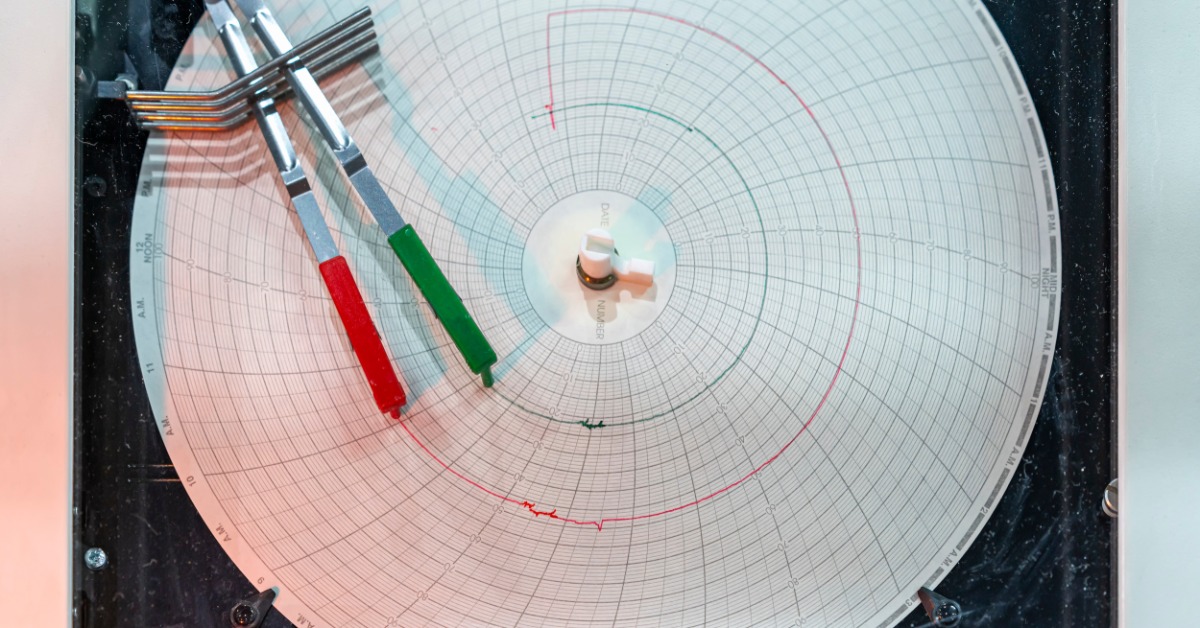
Healthcare facilities often rely on monitoring equipment like chart recorders or digital data loggers to maintain accurate records. These tools allow staff to review temperature trends and identify potential problems before they escalate. By maintaining continuous monitoring throughout the cold chain, organizations ensure that vaccines arrive at their final destinations in safe and effective condition.
Supports Regulatory Compliance
Healthcare organizations must follow strict storage guidelines established by regulatory agencies and public health authorities. These guidelines require consistent temperature monitoring and detailed documentation to confirm proper vaccine handling.
Facilities must maintain records that show temperatures remained within approved ranges for the entire storage period. Inspectors often review these logs during audits to verify that facilities follow recommended storage practices. Without clear documentation, organizations may struggle to prove that vaccines received proper care.
Analog chart recorders remain widely used in many facilities because they create a continuous visual record of temperature activity. A calibrated recorder pen traces temperature readings directly onto chart paper as the recorder tracks environmental conditions. Many systems use a red chart recorder pen to create a highly visible temperature trace, allowing staff to review charts quickly and identify changes in storage conditions.
Accurate records simplify compliance with regulatory requirements. They also help facilities maintain organized documentation that supports inspections and quality assurance reviews.
Improves Data Accuracy
Effective temperature monitoring depends on equipment that delivers consistent and precise readings. Monitoring systems must operate continuously while producing reliable data that staff can trust.
Chart recorders remain an important monitoring tool in healthcare environments because they offer dependable performance and clear documentation. These devices use temperature sensors to measure environmental conditions and record those readings on chart paper over time.
Several components influence the accuracy of monitoring equipment. Sensors must remain properly calibrated to detect small temperature changes, while recorder mechanisms must operate smoothly to produce clear data traces. Chart paper and recorder pens must also remain compatible with the device to ensure legible records.
Regular equipment inspections maintain reliable performance. Staff must check sensors, review chart recordings, and replace consumable components when necessary. Consistent maintenance allows monitoring equipment to produce dependable data that accurately reflects storage conditions.
Builds Confidence in Vaccine Safety
Reliable temperature documentation strengthens confidence in vaccine storage practices. Healthcare organizations must demonstrate that vaccines receive proper care throughout their storage life. Temperature logs provide the evidence needed to verify safe storage conditions.
Staff can review monitoring records whenever questions arise about vaccine handling or storage performance. These records allow quality assurance teams to confirm that refrigeration systems operated correctly and maintained stable conditions.
Consistent monitoring builds trust in vaccine safety by creating a transparent record of storage conditions. Facilities that maintain detailed logs demonstrate their commitment to protecting vaccine quality.
Supports Long-Term Storage Reliability
Vaccine storage requires dependable refrigeration and monitoring systems that perform consistently over time. Facilities must recognize the importance of temperature monitoring for vaccines to maintain stable conditions that ensure vaccines remain effective and ready for use.
Organizations that prioritize monitoring develop stronger operational procedures. Staff regularly review temperature records, inspect monitoring equipment, and verify that refrigeration units maintain proper conditions. These routines create a dependable storage environment that protects vaccine inventories.
Consistent monitoring also supports long-term planning for equipment maintenance and upgrades. Facilities can analyze historical temperature data to improve storage practices and maintain reliable vaccine storage systems. Through careful monitoring and documentation, healthcare organizations strengthen their ability to safeguard vaccines and support successful immunization programs.