
Posted by RCP on 21st Jan 2026
The Role of Data Loggers in the Milk Pasteurization Process
If you're responsible for buying equipment or managing inventory in a dairy plant, you know that compliance and reliability can't take a back seat. Monitoring temperatures, capturing accurate records, and having the right documentation all matter for smooth day-to-day operations and passing inspections. Maintaining this level of precision is incredibly difficult to do by hand, but automated data loggers can streamline the process by providing continuous, error-free monitoring. Let’s look at the role of data loggers in the milk pasteurization process and see how they can improve your plant's efficiency and compliance.
Meeting Food Safety Standards
When you're responsible for keeping a dairy plant running, following the rules isn't optional. The FDA and other regulatory bodies have strict guidelines, like the Pasteurized Milk Ordinance (PMO), that dictate exactly how milk must be processed. If a plant doesn't meet these standards, they can get shut down. It's that serious.
Data loggers are these plants' main defense against non-compliance. They automatically record critical data points that inspectors look for. Instead of relying on a worker to write down numbers every hour, a data logger creates an unchangeable record that proves the facility followed the rules. For a buyer, knowing that the equipment you purchase helps the plant stay legal is a big deal. It’s about protecting the brand’s reputation and making sure the final product is safe for families to drink.
Providing Accurate Temperature Verification
Pasteurization relies on a very specific relationship between temperature and time. For example, High Temperature Short Time (HTST) pasteurization requires milk to be heated to at least 161°F for at least 15 seconds. If the temperature drops even a fraction of a degree below that set point, the milk isn't technically pasteurized.
Data loggers provide the necessary precision for this process by accurately measuring and recording heat throughout pasteurization. These devices are connected to sensors that sit directly in the milk flow. They constantly feed temperature readings to a chart or digital file. If the temperature fluctuates, the logger catches it immediately. This level of accuracy helps confirm that the milk is consistently treated to meet the required standards. Without this verification, a plant is just guessing, and guessing is dangerous when it comes to food safety.
Monitoring The Pasteurization Holding Time
Heat is only half the battle. The "time" part of the equation is just as important. The milk has to hold that high temperature for a specific duration to effectively kill pathogens like Salmonella or E. coli. If the milk flows through the system too fast, it won't be held at the right temperature long enough.
Data loggers track the flow rate and the position of the flow diversion valve. This valve is a safety mechanism that redirects milk back to the start if it hasn't met the temperature requirements. By recording when this valve opens and closes, the logger provides a timeline of the process. It proves that the milk spent the required time in the holding tube. It gives the quality control team a clear picture of exactly how long the product was exposed to heat.
Reducing Human Error in Record Keeping
We’re all human, and we all make mistakes. In a busy processing plant, a worker might misread a thermometer, write down the wrong number, or forget to log an entry altogether. In the past, these manual errors could cause massive problems during an audit. If the records aren't there, it's as if the pasteurization never happened.
Data loggers remove that risk entirely. They work automatically, 24/7, without getting tired or distracted. They capture data directly from the system, so there are no transcription errors. For inventory buyers, this means investing in reliability. You aren't just buying a gadget; you’re buying peace of mind. You know that the records being generated are 100% accurate representations of what happened inside the pipes, untainted by human error.
Helping You Avoid Costly Spoilage
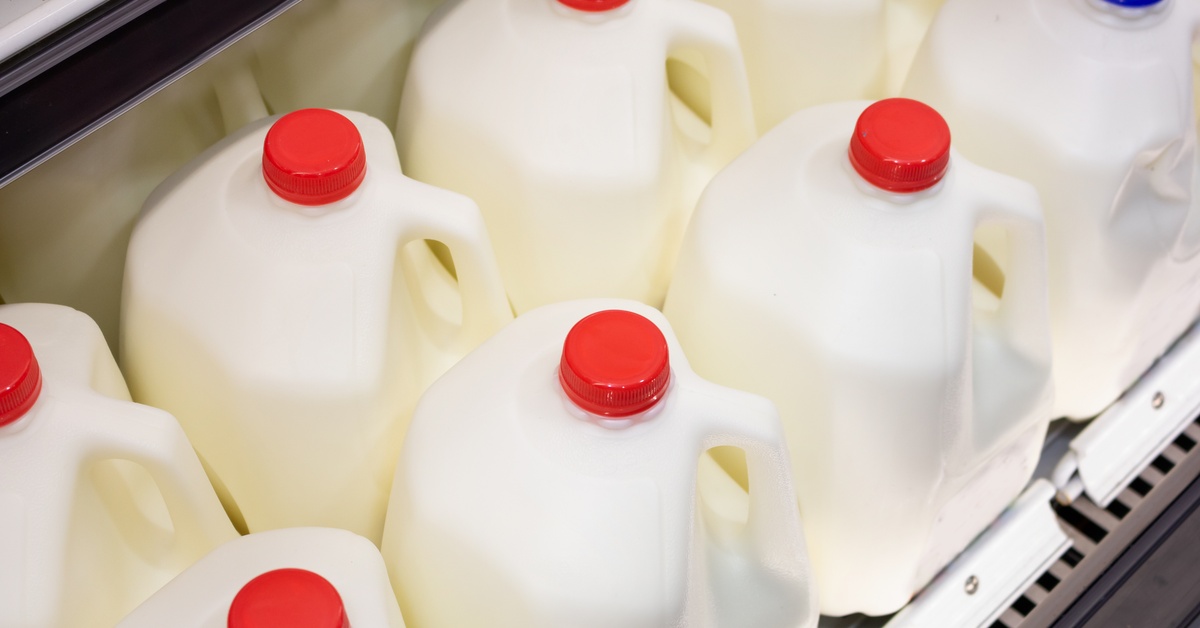
Imagine a scenario where a heater malfunctions halfway through a shift, but nobody notices for two hours. Thousands of gallons of milk could be processed improperly. If that milk gets packaged and sent out, it poses a health risk. If it's caught before shipping, it has to be dumped or re-processed. Both options are expensive.
Data loggers provide real-time monitoring that can trigger alarms if parameters drift out of spec. This allows operators to stop the line instantly and fix the issue. By catching a temperature drop the second it happens, the plant saves thousands of dollars in wasted product. Investing in high-quality recording equipment pays for itself by preventing these expensive losses.
Streamlining The Auditing Process
Audits are stressful. When an inspector walks through the door, they want to see proof of safe processing for specific dates. If the records are messy, incomplete, or hard to find, the audit drags on and tensions rise. Inspectors might dig deeper if they feel the record-keeping is sloppy.
Data loggers produce clean, organized charts or digital files that are easy to retrieve. Whether it's a circular chart recorder creating a physical paper trail or a digital system storing data in the cloud, the result is organization. You can hand the inspector a perfectly legible chart that clearly shows the temperature and time for the batch in question. It makes the inspector’s job easier, which usually results in a smoother, faster inspection.
Improving Operational Efficiency
Efficiency is the name of the game in manufacturing. You want to produce as much product as possible with the least amount of downtime. When operators have to constantly stop what they’re doing to manually check gauges and write on clipboards, it slows them down.
By automating the data collection, loggers free up the staff to focus on other tasks. They can monitor the equipment performance, prepare the packaging line, or clean the workspace. The logger runs in the background, doing its job silently. This leads to a smoother workflow on the plant floor. For a buyer, this means the tools you’re supplying are actually helping the team work smarter, not harder.
Keeping Your Records Straight
Running a dairy plant involves moving parts, tight regulations, and high stakes. You need tools that make the job easier and the product safer. The role of data loggers in the milk pasteurization process is clearly much more than just recording numbers on a sheet. These devices protect a plant’s customers, verify its compliance, and help it run a more efficient operation.
For temperature chart recording paper that gives you clear, legible data so you can pass every inspection with ease, shop at Recorders Charts & Pens. The name says it all—we carry recorders, charts, and pens for a wide range of industries, including dairy processing, food manufacturing, and pharmaceuticals. These American-made products help you stay compliant and keep production on track. Get the supplies you need to keep your data accurate today.