
Posted by RCP on 10th Nov 2026
7 Benefits of Cold Chain Temperature Monitoring
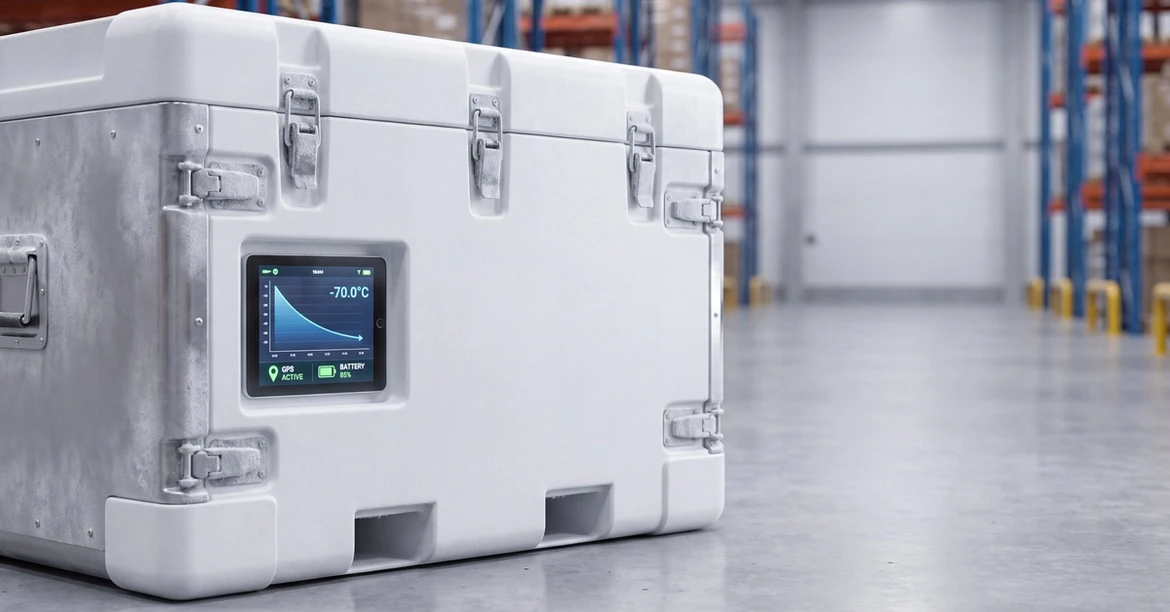
Temperature-sensitive products require careful handling from the moment they leave a production facility. Even brief temperature fluctuations can affect product quality, create safety concerns, or lead to costly inventory losses. Businesses that transport or store refrigerated and frozen goods need reliable monitoring systems to maintain appropriate conditions throughout the supply chain.
Understanding the benefits of cold chain temperature monitoring allows businesses to make informed decisions about their storage and transportation practices. Consistent temperature tracking provides valuable information about product conditions while supporting daily operations.
Protects Product Quality
Temperature changes affect the physical and chemical characteristics of sensitive products. Food products may experience changes in texture or freshness, while certain pharmaceuticals can lose stability when temperatures exceed their specified limits. Continuous monitoring allows businesses to identify conditions that could compromise product quality before those conditions cause further damage.
Different products require different storage temperatures, making accurate measurements particularly important. A frozen food shipment has different temperature requirements than refrigerated dairy products, so operators must track conditions according to each product’s specifications.
Reliable temperature records also provide useful information when businesses investigate quality concerns. Instead of relying on assumptions, personnel can examine actual readings to determine whether an excursion occurred. This information supports more accurate product evaluations and reduces uncertainty when quality issues arise.
Reduces Product Waste
Unexpected temperature fluctuations result in substantial financial losses when businesses must discard compromised inventory. Refrigeration equipment failures or improper handling during transportation may expose products to conditions outside their acceptable ranges. Without consistent monitoring, employees might not recognize these problems until significant damage occurs.
Temperature monitoring allows personnel to identify unusual readings and respond before conditions deteriorate further. For example, an unexpected increase in refrigerated storage temperatures may indicate a malfunctioning cooling system. Early detection gives maintenance teams an opportunity to investigate the problem and potentially prevent additional losses.
Businesses can also use historical temperature records to identify recurring issues that contribute to waste. Repeated fluctuations during particular transportation stages might indicate equipment limitations or operational inefficiencies. Addressing these problems reduces product disposal and the expenses associated with replacing damaged goods.

Supports Regulatory Compliance
Many industries must follow strict requirements for storing and transporting temperature-sensitive materials. Food processors and pharmaceutical distributors often operate under regulations or quality standards that require documented environmental controls. Maintaining accurate temperature records provides evidence that businesses have monitored conditions throughout relevant operations.
Chart recorders offer a practical method for documenting temperature changes over time. These instruments create continuous records that personnel can review during inspections or internal quality assessments. Businesses that use traditional recording equipment must maintain compatible chart recorder paper to preserve readable documentation.
However, temperature records alone do not establish regulatory compliance. Businesses must also follow applicable requirements for equipment calibration, record retention, and corrective actions. Consistent documentation makes it easier to demonstrate how an organization manages temperature-sensitive products.
Improves Equipment Maintenance Decisions
Refrigeration equipment often shows signs of declining performance before a complete failure occurs. Gradual temperature increases or unusual fluctuations may indicate developing mechanical problems. Monitoring systems provide operating data that maintenance personnel can use to recognize these changes.
Consider a refrigerated warehouse where temperatures begin fluctuating more frequently than normal. Maintenance teams can review historical readings to determine when the pattern started and whether it corresponds with equipment operating cycles. This information allows technicians to investigate potential problems rather than waiting for a breakdown.
Maintenance personnel can also compare temperature performance before and after repairs to evaluate whether equipment has returned to acceptable operating conditions. Regular analysis of monitoring data supports more informed maintenance scheduling, allowing businesses to identify equipment that requires additional attention while avoiding unnecessary service on systems that continue to perform reliably.
Strengthens Supply Chain Accountability
Cold chain products frequently pass through multiple facilities and transportation providers before reaching their destination. Each transfer introduces opportunities for temperature changes, particularly during loading or unloading. Reliable monitoring creates a clearer record of environmental conditions across these transitions.
Temperature records allow businesses to examine conditions during specific portions of a shipment’s journey. When a receiving facility identifies a temperature concern, personnel can review available monitoring information to determine when the deviation occurred.
This visibility supports more productive communication between suppliers and logistics providers. Rather than assigning responsibility without supporting information, organizations can discuss documented conditions and investigate potential causes.
Consistent records also make it easier to evaluate transportation partners. Businesses can examine temperature performance across multiple shipments to identify recurring problems associated with particular routes or handling procedures, encouraging more consistent operating practices throughout distribution.
Supports Better Inventory Management
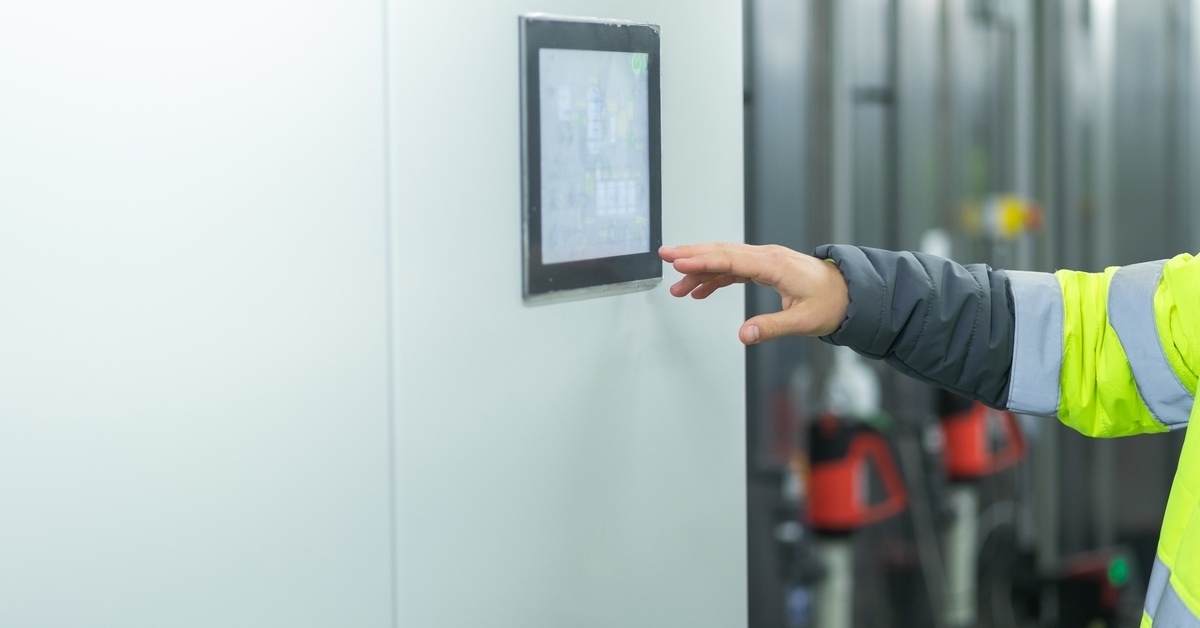
Inventory decisions become more complicated when products have strict temperature requirements. Businesses must consider whether storage conditions remain suitable before releasing temperature-sensitive goods for distribution or use.
Monitoring records provide additional information for evaluating inventory that may have experienced an excursion. Quality personnel can compare documented conditions against product-specific requirements and determine whether further assessment is necessary.
Temperature information also supports decisions about storage capacity. If a refrigerated facility consistently struggles to maintain appropriate conditions during periods of high inventory volume, managers may need to reconsider storage arrangements or equipment capacity.
Historical readings reveal how environmental conditions change as inventory levels fluctuate. This information allows businesses to make better decisions about product placement and warehouse operations.
Builds Customer Trust
Customers expect temperature-sensitive products to arrive in acceptable condition. Businesses that maintain reliable monitoring practices demonstrate a commitment to protecting those products throughout storage and distribution.
Documented temperature histories provide useful evidence when customers request information about handling conditions. For example, a food distributor may need to address concerns about a refrigerated shipment. Accurate records allow the distributor to explain the temperature conditions documented during transportation.
Monitoring practices can also strengthen relationships with commercial buyers who maintain their own quality requirements. Providing consistent documentation makes it easier for these customers to evaluate whether shipments meet their expectations. This transparency becomes particularly valuable in industries where product quality directly affects customer operations.
Choosing Reliable Supplies for Cold Chain Temperature Monitoring
The benefits of cold chain temperature monitoring depend partly on the reliability of the equipment and recording materials businesses use. Accurate instruments require appropriate maintenance, while chart recorders need compatible supplies to produce clear, usable records.
Purchasing teams should verify recorder specifications before ordering replacement materials. Chart dimensions, recording intervals, and pen compatibility can vary between manufacturers and equipment models. Selecting the correct supplies reduces recording interruptions and supports consistent documentation.
At Recorders Charts & Pens, we supply chart recorder paper, recorder pens, and recording equipment for businesses that depend on reliable process monitoring. Our extensive product catalog includes supplies for major recorder brands, making it easier to locate compatible materials for existing equipment. Contact Recorders Charts & Pens to find the chart recording supplies your operation needs. We can assist with identifying suitable products for your equipment so you can maintain dependable temperature records throughout your cold chain operations.