

Posted by RCP on 16th Sep 2026
Best Practices for Environmental Monitoring in a Lab
Laboratories depend on controlled environmental conditions to support consistent operations and protect sensitive materials. Temperature, humidity, and other conditions can change because of equipment operation, building systems, personnel activity, or outside influences. When a lab monitors those conditions consistently, staff can identify unwanted changes before they interfere with routine work.
Following best practices for environmental monitoring in a lab creates a more organized process for observing conditions and maintaining useful records. Effective monitoring requires more than installing instruments and checking them occasionally. Laboratories need suitable equipment, defined monitoring procedures, and records that staff can review when conditions change.
Identify the Conditions That Require Monitoring
Every laboratory has different environmental requirements based on its work, equipment, and materials. Before establishing a monitoring program, staff should identify which conditions could affect operations. Temperature and relative humidity commonly require attention, while some laboratory environments may need to track additional factors.
The monitoring plan should reflect actual operational requirements rather than collect unnecessary information. Staff can review equipment specifications, internal procedures, and applicable requirements to determine appropriate parameters. Defining these needs at the beginning keeps monitoring focused and makes recorded information more useful.
Laboratories should also consider whether different areas require different monitoring practices. A storage room may have different environmental limits than an active testing area. Treating each space according to its function gives staff a clearer picture of conditions throughout the facility.
Place Monitoring Equipment in Representative Locations
Instrument placement directly affects the usefulness of environmental readings. A device positioned near a door, vent, window, or heat-producing instrument may record conditions that differ from those across the rest of the room. Staff should choose locations that accurately represent the area they need to monitor.
Large spaces may require several monitoring points. Before selecting locations, laboratory teams can consider room size, airflow, equipment placement, and known sources of temperature or humidity changes. This evaluation reduces the chance that a single reading will provide an incomplete view of the environment.
Monitoring locations should also remain consistent whenever possible. Moving an instrument frequently makes historical comparisons more difficult because the device no longer measures conditions from the same point.
Select Monitoring Instruments That Fit Laboratory Requirements
The right monitoring equipment depends on the conditions a laboratory needs to measure and how staff use the resulting records. Purchasing teams should consider measurement ranges, accuracy requirements, recording methods, and compatibility with existing processes before selecting equipment.
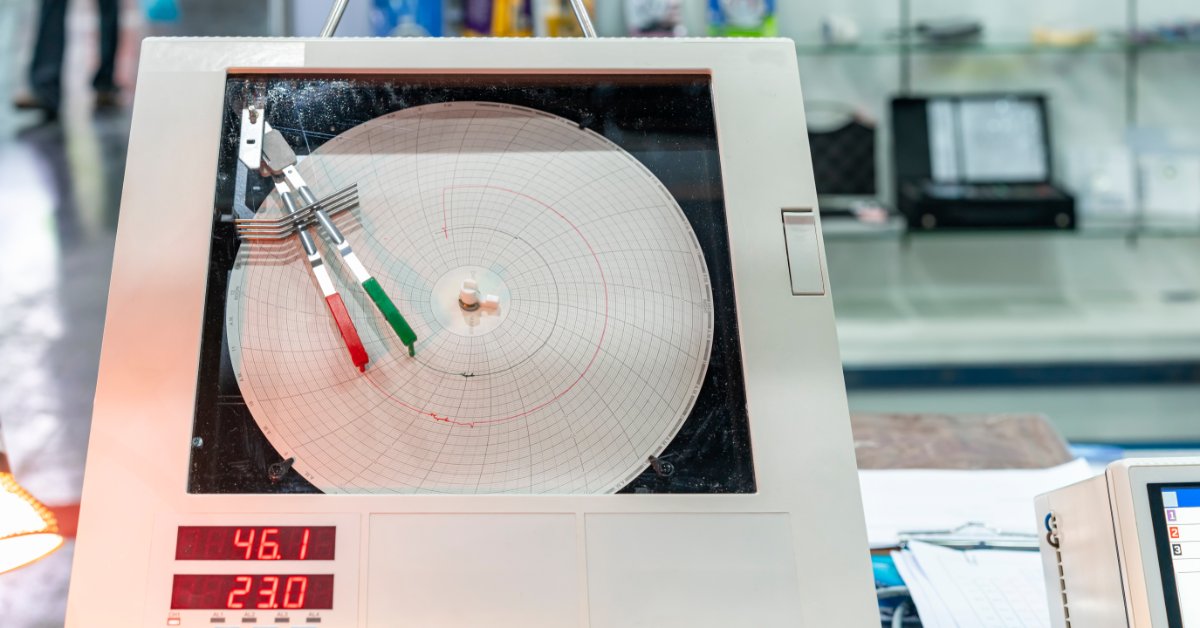
Some facilities rely on electronic monitoring systems, while others use chart recorders to create a continuous physical record. When a laboratory uses a chart recorder, the recorder itself represents only part of the recording system. Compatible chart paper and circular chart recorder pens also matter because they allow the instrument to create clear, usable records.
Establish Clear Monitoring Limits and Response Procedures
Collecting environmental information provides limited value unless staff know when conditions require attention. Laboratories should establish acceptable ranges according to their operational needs and any requirements that apply to their work.
Teams also need a defined process for responding when readings move outside those limits. Staff should know who reviews the issue and what documentation they need to complete. A clear procedure prevents uncertainty when a monitoring device indicates an unexpected change.
Maintain Monitoring Equipment on a Consistent Schedule
Even well-selected instruments require routine attention. Laboratories should follow applicable manufacturer recommendations and internal procedures for inspection, calibration, and maintenance. Staff should also look for signs of damage or performance issues during normal use.
Physical recording systems require attention to their consumable supplies as well. A worn recorder pen can produce faint or incomplete lines, while incorrect chart paper may interfere with accurate recordkeeping. Keeping compatible replacement supplies available reduces interruptions when a consumable reaches the end of its useful life.
Keep Environmental Records Organized and Accessible
Environmental monitoring produces information that becomes more valuable when staff can retrieve and interpret it easily. Laboratories should establish a consistent method for identifying records by date, location, and monitoring instrument. Organized records allow personnel to review previous conditions without sorting through unrelated information.
For facilities that use circular chart recorders, staff should handle completed charts according to established recordkeeping procedures. Clear markings and consistent filing practices make historical charts easier to locate when someone needs to investigate an event or compare conditions over time.
Digital records require similar organization. A consistent naming and storage process prevents environmental data from becoming difficult to find as the volume of information grows.

Review Monitoring Records for Changes and Patterns
Environmental monitoring should support more than immediate checks of current conditions. Periodic record reviews can reveal recurring fluctuations or gradual changes that individual readings may not make obvious.
For example, staff might notice that conditions regularly shift during a particular operational period or after changes within the laboratory. Recognizing a pattern gives the team an opportunity to investigate the cause rather than treating every occurrence as an isolated event.
Historical records also provide useful context when staff evaluate equipment performance or changes to a laboratory space. The goal involves using the information the monitoring program already collects to better understand the environment.
Train Staff To Follow Monitoring Procedures Consistently
A monitoring program works best when employees understand both the equipment and the procedures surrounding it. Staff who read charts, replace recorder supplies, or review monitoring data should know how to perform those tasks correctly.
Training should reflect each employee’s responsibilities. Someone who replaces a recorder pen will need different instructions from a person responsible for reviewing environmental records. Clear responsibilities reduce inconsistent practices and make it easier to determine who should respond when an issue occurs.
Laboratories should update instructions when equipment or internal procedures change. Current documentation gives staff a reliable reference instead of requiring them to rely on memory or informal directions.
Consistent Monitoring Supports Better Laboratory Oversight
The best practices for environmental monitoring in a lab center on creating a repeatable system that produces useful information. Selecting appropriate monitoring points, maintaining equipment, and reviewing records consistently allow laboratory teams to keep closer watch over environmental conditions.
A well-organized program also depends on the smaller details surrounding the monitoring equipment. Clear procedures, trained staff, and readily available compatible supplies keep the process running without gaps. By treating environmental monitoring as an ongoing operational responsibility, laboratories can maintain records that support informed decisions when conditions change.
At Recorders Charts & Pens, we supply chart recorder paper, recorder pens, recorder parts, and recorders for process instrumentation. We offer products for major recorder brands, giving purchasing agents and inventory buyers a single source for many of the supplies their facilities use. If you need assistance identifying the appropriate chart or pen for your recorder, our team is happy to help.