
Posted by RCP on 13th May 2026
How To Ensure Successful Pipeline Integrity Testing
Pipeline integrity testing demands accuracy, consistency, and reliable data collection. Teams that manage hydrotesting or process monitoring must rely on clear records and dependable equipment to validate results. Strong testing practices reduce risk, support compliance, and protect both infrastructure and operations.
Organizations that focus on precision at every stage of testing build better outcomes and reduce costly errors. Here’s how to ensure successful pipeline integrity testing.
Define Clear Testing Objectives Before Work Begins
Every successful testing process starts with a defined purpose. Teams need to identify what the test must confirm, whether that involves pressure limits, leak detection, or system durability. Clear objectives guide equipment selection and determine how teams interpret the results.
When teams skip this step, they often collect unnecessary data or miss critical indicators. A focused objective keeps testing aligned with regulatory requirements and operational goals. It also allows purchasing agents to source the right recorders and supplies from the beginning, which avoids delays during testing cycles. Clear direction also improves communication between field teams and decision-makers, creating alignment across all departments responsible for compliance and reporting.
Select Accurate Recording Equipment for Reliable Data
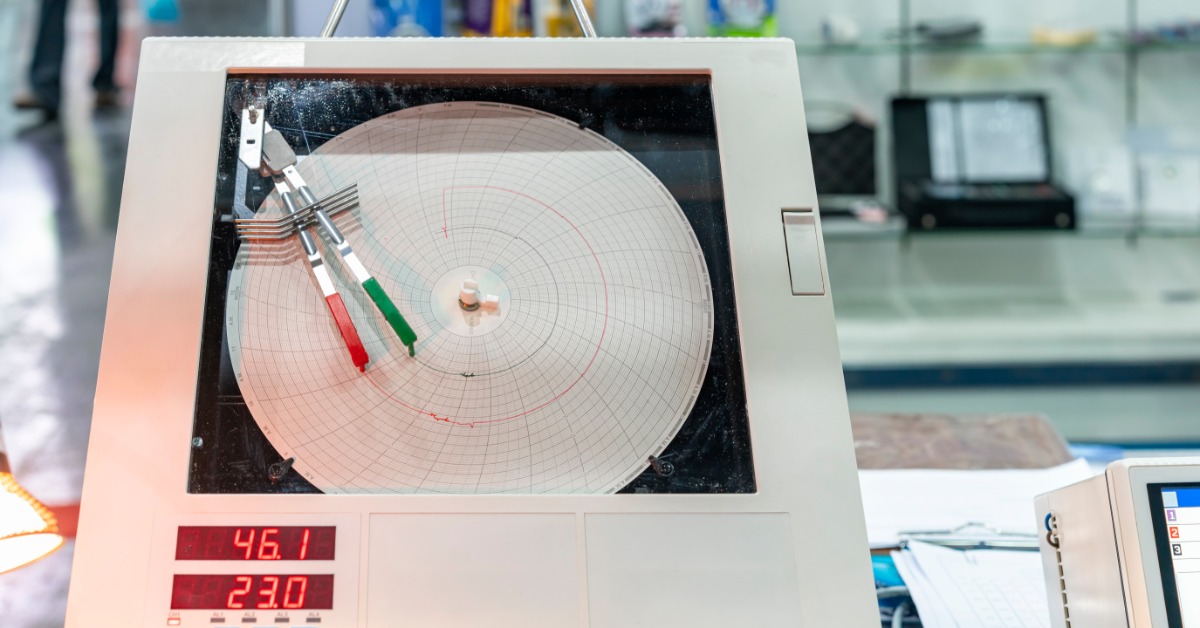
Reliable data starts with dependable instrumentation. Testing teams must choose data recorders that match the pressure range, duration, and environmental conditions of the pipeline. Accurate devices capture consistent readings throughout the test period. Without precision, even a well-planned test can produce misleading results. Many operations rely on mechanical or electronic chart recorders to track pressure and temperature in real time.
Using compatible supplies, including circular chart recorder paper, keeps data legible and aligned with industry standards, while poor-quality materials can distort readings or create gaps in documentation. At Recorders Charts & Pens, we supply a full range of recorder equipment and consumables designed for demanding environments. Our inventory supports industries that require dependable equipment performance under pressure.
Maintain Calibration Standards Across All Instruments
Calibration directly affects the accuracy of test results. Teams must verify that every instrument measures within acceptable tolerances before testing begins. Routine calibration prevents drift and keeps readings consistent across multiple devices. When teams neglect this step, they risk invalidating the entire test.
A strong calibration process includes:
- Verifying instruments against certified standards
- Documenting calibration dates and results
- Rechecking devices after extended use or transport
Consistent calibration builds trust in recorded data and supports compliance with regulatory requirements. It also reduces discrepancies when comparing results across different testing sites. Over time, strong calibration practices contribute to more predictable and repeatable testing outcomes.
Establish Controlled Testing Conditions Throughout the Process
Environmental and operational conditions influence pipeline testing outcomes. Teams must control variables such as temperature, pressure buildup rates, and stabilization periods. Stable conditions allow technicians to identify real issues instead of reacting to fluctuations caused by external factors, as even small inconsistencies can affect readings and lead to inaccurate conclusions.
Testing crews should monitor site conditions continuously and adjust procedures when necessary. This level of control improves data quality and reduces the chance of needing retesting. It also creates a repeatable process that teams can apply across multiple projects. Consistency in conditions supports more accurate comparisons between historical and current test data.
Implement Structured Data Monitoring and Review Practices
Data collection alone does not guarantee success. Teams need a structured process to review and interpret results during and after testing. Real-time monitoring allows operators to spot irregularities as they occur. This early detection prevents small issues from escalating into larger problems.
After testing, teams should analyze recorded data against expected benchmarks—this step confirms whether the pipeline meets required standards or requires further inspection. Clear documentation supports internal reviews and external audits. Organized records also make it easier to compare results across multiple tests or locations. Strong documentation practices improve accountability across teams and support long-term record retention strategies.
Train Personnel To Execute Testing Procedures Consistently
Even the best equipment cannot replace skilled personnel. For this reason, teams must understand how to operate testing tools, interpret data, and follow established procedures. Proper training ensures that every technician approaches testing with the same level of precision. Consistency across personnel reduces variability and strengthens overall results.
Organizations should also provide ongoing education to keep teams updated on equipment, standards, and best practices. A knowledgeable workforce improves efficiency and reduces the likelihood of errors during testing. Well-trained teams also respond more effectively and maintain testing continuity when unexpected conditions arise.
Use High-Quality Supplies To Prevent Data Compromise
Testing accuracy depends on more than instrumentation; consumables like chart paper, pens, and recorder parts must meet performance standards. Low-quality supplies can smear, fade, or fail under pressure conditions. These issues create gaps in documentation and complicate data analysis.
Reliable supplies maintain clarity throughout the testing period. They also support long-term record retention, which remains essential for compliance and audits. At Recorders Charts & Pens, we focus on supplying high-quality chart paper, recorder pens, and recorder parts that meet industry demands. We work directly with purchasing teams to match products with specific recorder models and testing requirements.
Conduct Post-Test Validation To Confirm Results
Testing does not end when data collection stops. Teams must validate their results to confirm accuracy and completeness. Post-test validation includes reviewing recorded data, checking for inconsistencies, and verifying that equipment functioned correctly throughout the process. This step verifies that conclusions reflect actual pipeline performance.
If data discrepancies appear, teams should investigate immediately and determine whether additional testing is required. Prompt validation reduces delays and keeps projects on schedule. It also strengthens confidence in the final documentation provided to stakeholders. Thorough validation supports regulatory submissions and internal quality standards.
Strengthen Pipeline Integrity Testing With the Right Support
Ensuring successful pipeline integrity testing depends on preparation, precision, and reliable resources. Organizations that prioritize accurate equipment, consistent procedures, and high-quality supplies create stronger testing outcomes.
Recorders Charts & Pens supports pipeline testing operations by providing dependable recorder products backed by industry expertise. Whether you need chart paper, pens, or complete recorder systems, we have what your team requires to maintain accurate records and consistent performance. If your operation depends on reliable testing data, connect with us to find the right solutions for your application.