

Posted by RCP on 17th Aug 2026
The Importance of Temperature Monitoring for Blood Banks
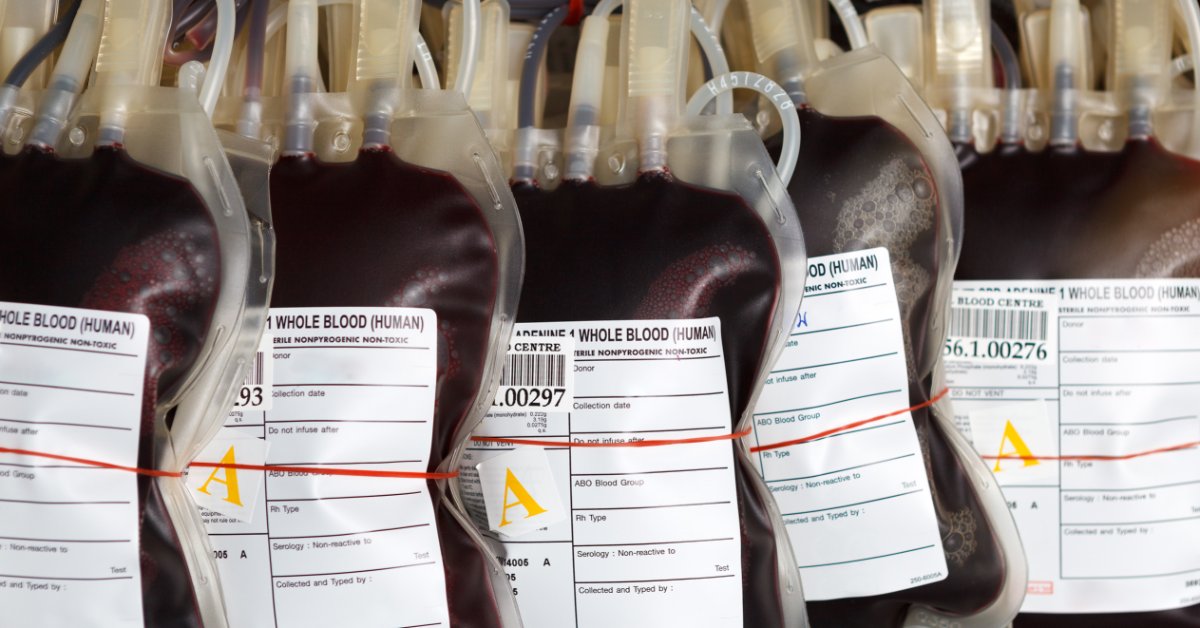
Blood banks rely on precise temperature control to protect one of healthcare’s most valuable resources. Every unit of donated blood, plasma, and platelets requires storage within specific temperature ranges from collection through distribution. Even brief temperature fluctuations can affect product quality, shorten shelf life, or require disposal.
The importance of temperature monitoring for blood banks extends beyond preserving inventory. Accurate monitoring supports regulatory compliance, maintains patient safety, and provides documented records for audits and quality programs. Healthcare organizations depend on reliable monitoring systems because every stored product may eventually support emergency treatment, surgery, or ongoing medical care.
Facilities that maintain continuous oversight of storage conditions reduce product loss while improving operational efficiency. Reliable equipment, accurate records, and routine monitoring create a stronger foundation for protecting valuable blood products throughout every stage of storage.
Accurate Temperature Control Protects Blood Product Integrity
Each blood component requires a specific storage environment. Whole blood and red blood cells typically remain refrigerated, while frozen plasma and cryoprecipitate require much lower temperatures. Platelets demand an entirely different storage range and often require continuous agitation in addition to temperature control.
When temperatures move outside acceptable limits, blood products may no longer meet quality standards. Staff must evaluate affected inventory, document the event, and determine whether products remain suitable for use. Those evaluations consume valuable time while reducing available inventory.
Continuous monitoring allows personnel to identify temperature changes quickly. Early detection gives staff an opportunity to respond before minor issues become larger problems that affect multiple units.
Regulatory Requirements Demand Consistent Documentation
Blood banks operate under strict regulatory standards established by organizations such as the FDA, AABB, and other accrediting agencies. These requirements include maintaining documented storage temperatures and demonstrating that equipment performs consistently over time.
Accurate records support inspections and internal quality reviews because they provide a complete history of storage conditions. Electronic monitoring systems often simplify recordkeeping, while many facilities continue using paper-based recording systems as part of their documentation strategy.
Facilities that rely on traditional chart recorders often select circular chart paper because it provides a continuous visual record of temperature trends throughout the recording period. When paired with properly maintained equipment, these charts contribute valuable documentation for compliance programs and long-term record retention. Reliable documentation also simplifies investigations following equipment alarms or unexpected temperature events by providing a clear timeline of changing conditions.

Continuous Monitoring Reduces Inventory Loss
Blood products require significant resources to collect, process, test, and store. Every discarded unit represents lost time, increased costs, and fewer products available for patients.
Continuous temperature monitoring limits these losses by identifying equipment problems before they lead to widespread spoilage. Refrigeration systems may develop mechanical issues gradually, allowing temperatures to drift before complete failure occurs. Monitoring systems reveal these trends early enough for maintenance personnel to intervene.
Several factors contribute to better inventory protection, including:
- Detecting refrigeration problems before temperatures exceed acceptable ranges
- Identifying recurring equipment performance issues
- Supporting faster responses to alarms
- Maintaining documentation during maintenance activities
- Reducing unnecessary disposal of valuable blood products
These practices strengthen inventory management while reducing operational costs associated with replacement products.
Reliable Monitoring Supports Faster Responses During Equipment Issues
Equipment failures never occur at convenient times. Refrigerators, freezers, and environmental systems may experience problems overnight, during weekends, or while staffing levels remain lower than usual.
Monitoring systems equipped with alarms notify personnel when temperatures move outside established limits. Immediate notification allows staff to investigate the cause, transfer inventory if necessary, and restore proper storage conditions quickly.
Response procedures become more effective when facilities establish clear protocols before problems arise. Personnel should understand alarm thresholds, escalation procedures, documentation requirements, and responsibilities during equipment failures. Organizations that regularly test both monitoring systems and emergency response procedures improve readiness for unexpected situations while minimizing disruption to daily operations.
Preventive Maintenance Strengthens Monitoring Performance
Temperature monitoring equipment requires regular inspection, calibration, and maintenance to produce accurate results. Even high-quality monitoring systems lose effectiveness when facilities overlook routine service.
Calibration verifies that sensors continue measuring temperatures accurately throughout their operating life. Routine maintenance also identifies worn components, aging batteries, damaged wiring, or recorder issues before those problems affect performance.
Preventive maintenance programs often include scheduled inspections of:
- Temperature sensors
- Recording devices
- Alarm systems
- Refrigeration equipment
- Backup power systems
Routine maintenance supports dependable monitoring while extending equipment life and reducing the need for repairs.
Staff Training Improves Monitoring Accuracy
Technology alone cannot protect blood products. Well-trained personnel remain essential to successful temperature monitoring programs.
Staff members should understand the acceptable storage ranges for different blood components, alarm response procedures, documentation expectations, and equipment operation. Consistent training reduces errors while promoting faster decision-making during unexpected events.
Organizations benefit from periodic refresher training because regulatory expectations, monitoring technologies, and internal procedures continue to evolve. Practical exercises involving alarm responses and documentation reviews reinforce daily responsibilities while strengthening overall quality programs. Clear written procedures also create consistency across multiple shifts, reducing variation in how staff respond to temperature-related events.
Temperature Data Supports Quality Improvement
Monitoring systems generate valuable information beyond daily temperature records. Historical data allows blood banks to identify recurring patterns, evaluate equipment performance, and improve operational planning.
Trend analysis may reveal refrigeration units that require replacement, seasonal temperature fluctuations affecting equipment performance, or recurring maintenance concerns. Managers can use this information to prioritize investments and schedule preventive maintenance more effectively.
Historical records also support internal audits by demonstrating long-term consistency in storage conditions. Rather than reacting only when problems occur, facilities can make informed decisions based on measurable performance data. The importance of temperature monitoring for blood banks becomes even more apparent when organizations use monitoring data to strengthen quality improvement initiatives and protect valuable inventory over time.
Reliable Monitoring Supports Better Patient Care
Every blood product stored in a blood bank may eventually support trauma care, surgery, cancer treatment, or chronic disease management. Maintaining proper storage temperatures protects those products until clinicians need them.
Reliable monitoring contributes to patient safety by preserving product quality throughout storage and transportation. Accurate records also strengthen confidence that products remained within required temperature limits before use.
At Recorders Charts & Pens, we understand how important dependable recording products remain for healthcare facilities that maintain temperature-sensitive inventory. We supply high-quality chart recorder paper, recorder pens, and related products that support accurate documentation across critical monitoring applications. If you’re looking for dependable recording supplies backed by knowledgeable service, we’re ready to help you find the products that fit your equipment and operational needs.